
Understanding vehicle maintenance is a crucial responsibility for every car owner. Proper maintenance not only extends the life of your car but also ensures safety, improves performance, and helps you avoid costly repairs. Whether you are driving a local compact vehicle or a foreign luxury model, knowing the essentials of upkeep can make all the difference. From oil changes to collision repair, this guide covers the key aspects every car owner should understand.
Why Is Regular Vehicle Maintenance Important?

Extending Your Vehicle’s Lifespan
Regular maintenance plays a significant role in prolonging your vehicle’s lifespan. Routine services such as oil change service, brake checks, and fluid replacements prevent the gradual wear and tear that can otherwise shorten the life of your car. Vehicles that receive consistent attention from trusted auto mechanics are less likely to experience sudden breakdowns or major engine failures.
Enhancing Safety and Reliability
A well-maintained vehicle is a safe vehicle. Routine inspections of brakes, tires, and lights, along with timely car ac repair and collision repair, ensure your car operates reliably. Detecting problems early reduces the risk of accidents caused by mechanical failure, providing peace of mind for both daily commuting and long trips.
Improving Fuel Efficiency
Properly maintained cars run more efficiently. Simple actions, like keeping tires correctly inflated and regularly performing oil changes, can improve fuel economy. Car owners who neglect routine maintenance often see reduced mileage and higher fuel costs over time, making regular upkeep both a financial and environmental benefit.
Preserving Vehicle Resale Value
A well-maintained vehicle retains its value better than one with a spotty service history. Having records of services like vehicle inspection, car detailer work, and brake shop visits can significantly boost resale value. Buyers are more confident in a car with documented maintenance, which can translate into higher offers when selling or trading in your vehicle.
Preventing Costly Repairs
Neglecting routine maintenance often leads to bigger problems down the road. Addressing minor issues, such as low brake fluid or worn-out belts, before they escalate can save hundreds or even thousands of dollars. Local auto services and trusted auto mechanics can help identify issues early, preventing extensive repairs that could have been avoided.
How Often Should You Change Your Oil?
Understanding Manufacturer’s Recommendations
Every vehicle comes with manufacturer-recommended guidelines for oil changes. These recommendations take into account engine type, driving conditions, and mileage. Following these guidelines ensures that your car engine functions optimally and avoids premature wear, especially in vehicles serviced by local foreign auto repairs specialists.
Factors That Affect Oil Change Frequency
Driving habits, climate, and road conditions all affect how often you should change your oil. For example, frequent short trips or extreme temperatures can require more frequent changes. Consulting your auto mechanics about these factors ensures that your oil change service schedule is appropriate for your driving style and environment.
Different Types of Motor Oil
Motor oil comes in various formulations, including conventional, synthetic, and high-mileage blends. Each type offers unique benefits, such as improved engine performance or extended oil life. Car owners should select oil that matches their vehicle’s specifications and consult professionals at a brake shop or oil change service for recommendations.
Signs Your Oil Needs Changing
Dark, gritty oil, unusual engine noises, and a burning smell are signs your car needs an oil change. Ignoring these warning signals can lead to severe engine damage. Vehicle inspection services and local auto services can help identify when oil replacement is necessary to keep your car running smoothly.
DIY Oil Change: A Step-by-Step Guide
For hands-on car owners, changing oil at home can be a rewarding experience. Ensure you have the proper tools, oil, and filter. Always dispose of used oil responsibly. However, for those less confident, relying on auto mechanics ensures that oil changes are performed efficiently and safely, maintaining your car’s performance.
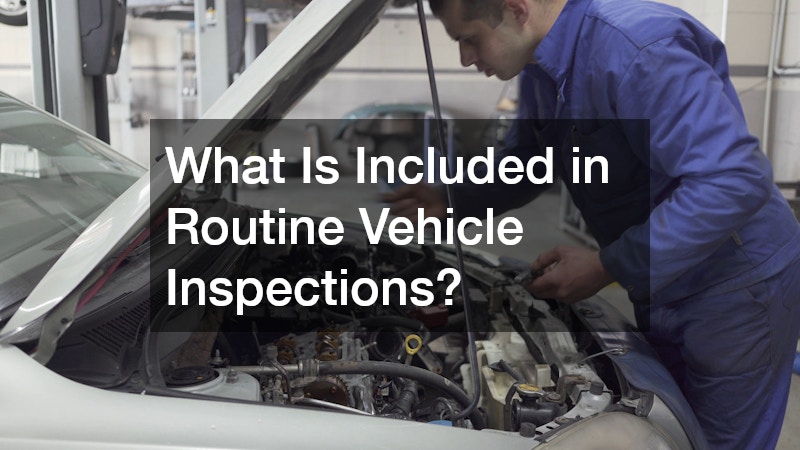
What Is Included in Routine Vehicle Inspections?
Checking Fluid Levels
Routine inspections begin with checking essential fluids, including engine oil, coolant, brake fluid, and transmission fluid. Maintaining proper levels prevents overheating, brake failure, and transmission problems. Car owners often combine these inspections with services from local auto services to ensure all systems are functioning properly.
Inspecting Brake Systems
A thorough brake inspection includes checking pads, rotors, and brake fluid levels. Professional brake shops can spot signs of wear before they become critical. Regular maintenance of your braking system not only enhances safety but also prevents costly repairs later.
Examining Tire Condition and Pressure
Tires are the only point of contact between your vehicle and the road. Ensuring proper inflation and checking for uneven wear patterns improves fuel efficiency, handling, and safety. Vehicle inspection services often include tire rotation and alignment to extend tire life and prevent accidents.
Assessing the Battery
Your car’s battery powers everything from starting the engine to running electrical systems. During routine inspections, auto mechanics check voltage levels, corrosion, and connections. Early detection of battery issues can prevent inconvenient breakdowns and extend battery life.
Evaluating Lights and Signals
Functioning lights are critical for safety. Routine inspections include headlights, brake lights, turn signals, and hazard lights. Ensuring visibility helps avoid accidents and ensures compliance with traffic laws. Auto mechanics or local auto services can quickly replace any faulty components.
How Can You Maintain Your Car’s Tires?
Importance of Proper Tire Pressure
Maintaining correct tire pressure improves handling, fuel efficiency, and tire longevity. Underinflated or overinflated tires compromise safety and increase wear. Tire maintenance is a simple step that can prevent bigger problems, and many local auto services offer convenient pressure checks during routine visits.
Tire Rotation and Alignment
Regular tire rotation and alignment ensure even wear across all tires, extending their life. Misaligned tires can cause uneven tread wear, poor handling, and reduced fuel economy. Local foreign auto repairs often include these services to keep vehicles performing at their best.
Recognizing When You Need New Tires
Signs that new tires are needed include low tread depth, cracking, or uneven wear. Replacing tires promptly enhances safety and improves driving comfort. Trusted local auto services can provide expert advice and installation for new tires.
Understanding Tire Tread and Patterns
Tread patterns impact traction, handling, and performance in various weather conditions. Knowing the differences between all-season, winter, and performance tires helps car owners make informed choices. Vehicle inspection services often include checks on tread condition for safe driving.
Seasonal Tire Maintenance Tips
Seasonal tire maintenance is essential for optimal performance. Winter tires provide better traction in snow and ice, while summer tires offer improved handling in warm conditions. Regularly consulting auto mechanics for tire changes and inspections ensures safety year-round.
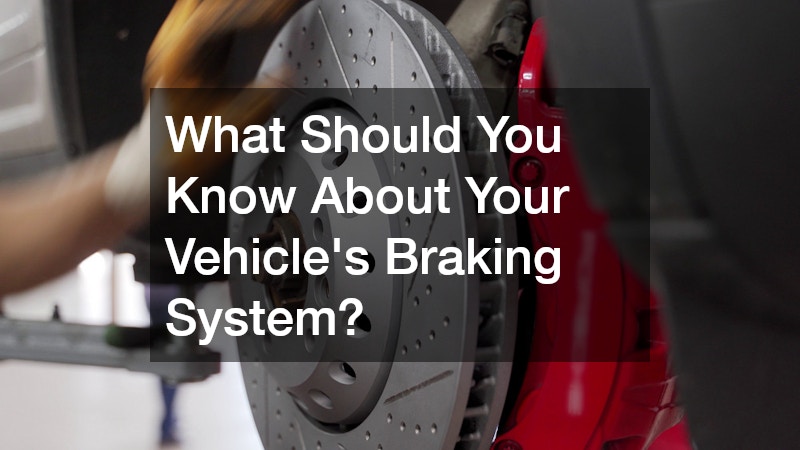
What Should You Know About Your Vehicle’s Braking System?
Signs of Brake Wear and Tear
Squeaking, grinding, or a soft brake pedal indicates worn brakes. Ignoring these signs can lead to more extensive damage. Regular visits to a brake shop or auto mechanics can prevent unsafe driving conditions.
The Importance of Brake Fluid
Brake fluid transfers force from your foot to the braking system. Over time, it can become contaminated or lose effectiveness. Routine vehicle inspections often include checking and replacing brake fluid to maintain braking efficiency.
Understanding Different Types of Brake Pads
Brake pads come in various materials, including ceramic, semi-metallic, and organic compounds. Each type offers distinct advantages in performance and durability. Auto mechanics can recommend the best option based on your driving habits and vehicle type.
How to Extend the Life of Your Brakes
Regular maintenance, such as proper fluid replacement and cautious driving habits, extends brake life. Addressing issues early through local auto services prevents costly repairs and keeps your vehicle safe on the road.
When to Seek Professional Help
If braking issues persist, professional assistance is crucial. Brake shops and local auto mechanics can accurately diagnose and repair problems, ensuring your vehicle remains safe and reliable.
How Do You Maintain Your Vehicle’s Cooling System?
Understanding Coolant Types and Levels
Coolant prevents overheating and protects engine components. Different vehicles require specific types of coolant, and maintaining the proper level is essential. Vehicle inspections often include coolant checks to avoid engine damage.
Signs of Cooling System Problems
Overheating, leaks, and unusual smells indicate cooling system issues. Prompt attention from auto mechanics prevents further damage and ensures engine longevity. Routine maintenance can catch problems before they escalate.
Flushing the Radiator: Why and How
Radiator flushing removes built-up deposits and ensures efficient cooling. While some car owners prefer DIY methods, professional local auto services provide thorough and safe flushing to protect your engine.
Maintaining Radiator Hoses and Belts
Hoses and belts play a vital role in the cooling system. Cracks, fraying, or looseness can lead to system failure. Regular inspections by auto mechanics identify potential issues early, reducing the risk of costly repairs.
Professional vs. DIY Cooling System Maintenance
While minor checks can be done at home, professional maintenance ensures thorough diagnostics and treatment. Trusted auto mechanics provide comprehensive cooling system services, ensuring optimal engine performance.
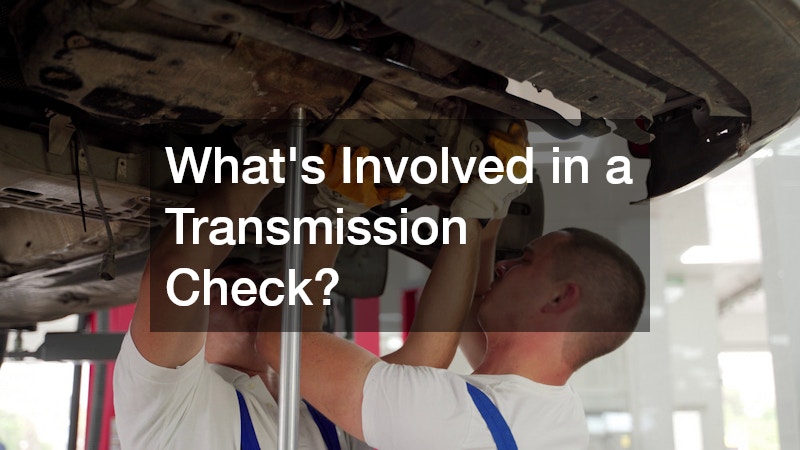
What’s Involved in a Transmission Check?
Recognizing Transmission Issues
Symptoms like slipping gears, delayed shifts, or unusual noises indicate transmission problems. Early detection by local auto services prevents expensive repairs and keeps your car running smoothly.
The Importance of Transmission Fluid
Transmission fluid lubricates gears and ensures smooth operation. Checking and replacing fluid at recommended intervals maintains performance and prevents wear, making it a crucial part of vehicle inspection.
Difference Between Manual and Automatic Transmission Maintenance
Manual transmissions typically require less frequent fluid changes, while automatic transmissions need regular fluid checks and adjustments. Consulting auto mechanics ensures proper maintenance tailored to your vehicle’s transmission type.
When to Change Transmission Fluid
Manufacturer guidelines provide intervals for transmission fluid replacement. Overlooking these recommendations can lead to overheating and component failure. Routine inspections help identify the optimal timing for fluid changes.
Common Transmission Problems and Solutions
Leaks, worn gears, and sensor failures are frequent issues. Local foreign auto repairs often address these problems efficiently, preventing minor concerns from escalating into major repairs.
How Can You Keep Your Car’s Electrical System in Top Shape?
Understanding the Car Battery Life Span
Batteries typically last three to five years, depending on use and climate. Regular testing ensures reliable starts and proper electrical function, preventing inconvenient breakdowns.
Signs of Electrical System Failure
Dim lights, faulty sensors, and intermittent power loss are warning signs. Auto mechanics can diagnose these issues during routine inspections, maintaining safety and reliability.
Maintaining Your Car’s Alternator
The alternator keeps the battery charged and powers electrical systems. Regular checks by local auto services help identify potential failures before they leave you stranded.
The Role of Fuses in Vehicle Maintenance
Fuses protect your car’s electrical circuits. Inspecting and replacing blown fuses prevents damage to critical components. Trusted auto mechanics include fuse checks as part of routine inspections.
Professional Electrical System Diagnosis
Complex electrical problems often require specialized tools and expertise. Collision repair shops and local auto services can diagnose and repair issues, ensuring the electrical system functions optimally.
Why Is Air Filter Maintenance Critical for Engine Health?
Types of Air Filters and Their Functions
Engine and cabin air filters remove debris and contaminants. Engine air filters improve combustion efficiency, while cabin filters enhance passenger comfort. Regular checks and replacements prevent reduced performance.
How a Clean Air Filter Improves Performance
Clean filters allow optimal airflow, increasing fuel efficiency and engine power. Regular maintenance by local auto services keeps your car performing efficiently.
Signs You Need a New Air Filter
Reduced fuel economy, unusual engine sounds, and visible debris indicate a need for replacement. Car owners can consult auto mechanics for proper filter selection and installation.
DIY Air Filter Replacement Guide
Replacing an air filter is relatively simple and can be done at home with basic tools. However, professional services ensure the correct fit and compatibility with your vehicle.
Understanding Cabin vs. Engine Air Filters
Cabin filters focus on interior air quality, while engine filters protect the engine from contaminants. Both require routine inspection and replacement, contributing to overall vehicle health.
How Do Weather and Driving Conditions Affect Vehicle Maintenance?
Impact of Extreme Temperatures
Hot and cold climates stress engine components, fluids, and batteries. Regular vehicle inspections, including car ac repair in summer, help mitigate the effects of extreme temperatures.
Preparing Your Car for Winter
Winter preparation includes checking tires, batteries, fluids, and brakes. Local auto services often offer seasonal maintenance packages to ensure your vehicle is ready for icy conditions.
Essential Summer Maintenance Tips
Summer heat can strain engines and cooling systems. Regular oil changes, fluid checks, and air conditioning maintenance prevent overheating and maintain comfort during hot weather.
How Humidity Affects Your Vehicle
High humidity accelerates corrosion and affects electrical systems. Routine inspections and timely collision repair protect your vehicle from moisture-related damage.
Driving Habits and Their Maintenance Implications
Aggressive driving, frequent short trips, and carrying heavy loads increase wear on brakes, tires, and engine components. Understanding how habits affect your vehicle helps optimize maintenance schedules and extend lifespan.
Regular vehicle maintenance is more than just a routine task—it is an investment in safety, reliability, and long-term savings. By understanding key aspects such as oil changes, brake shop visits, car ac repair, vehicle inspections, and services from trusted auto mechanics, car owners can ensure optimal performance. Incorporating local auto services, car detailer appointments, and even custom car wrap options for aesthetics ensures your vehicle remains functional, safe, and visually appealing. Proactive care not only extends the life of your car but also preserves its value, keeping your investment on the road for years to come.