Highlights
-
Strategic Expense Reduction: Learn how preventative upkeep cuts overall vehicle running costs without compromising safety.
-
Consumer Law Rights: Understand how Australian regulations protect your right to use independent mechanics for logbook servicing.
-
DIY vs. Professional Tasks: Identify which basic checks you can perform at home and which jobs require trade tools.
-
Early Vulnerability Detection: Discover how catching minor mechanical issues early prevents costly major overhauls.
-
Selecting Honest Repairers: Explore practical benchmarks for vetting local workshops, getting clear quotes and comparing rates.
-
Avoiding Costly DIY Errors: Understand the financial and safety risks of attempting complex vehicle repairs without trade training.
How Can You Cut Car Maintenance Costs Without Risking Your Road Safety?
You can significantly reduce car maintenance costs without sacrificing safety by adhering strictly to preventative inspection schedules, comparing qualified workshop rates and managing basic fluid checks independently. Maintaining a motor vehicle is one of the largest ongoing expenses for households, yet deferring essential upkeep often leads to catastrophic mechanical failures and inflated repair bills down the road.
Achieving genuine savings requires a strategic approach that distinguishes between routine operational checks and complex safety repairs. Drivers who establish a dedicated vehicle maintenance fund, monitor wear indicators and obtain clear written estimates can retain total control over their auto budget. Prioritising critical safety components such as brake systems, steering linkages and tyre integrity guarantees that financial savings never compromise passenger security on the road.
What Are Your Legal Rights Under Australian Consumer Law for Logbook Servicing?
Australian Consumer Law guarantees that vehicle owners can choose independent service centres for routine logbook maintenance without voiding their manufacturer warranty. Many car owners incorrectly believe they must return to a franchise dealership for routine checkups to keep their factory warranty intact. Official regulatory guidance from the Australian Competition and Consumer Commission confirms that independent workshops are fully legally authorised to perform scheduled logbook servicing, provided they follow manufacturer specifications and utilise fit-for-purpose components. This legal protection allows motorists to bypass expensive dealership hourly labour rates in favour of competitive independent pricing. Requesting itemised quotes and confirming that technicians sign or stamp your official logbook ensures complete warranty compliance while instantly reducing routine service overheads across the entire life of your automobile.
Which Maintenance Tasks Can You Handle at Home Versus Calling a Professional?
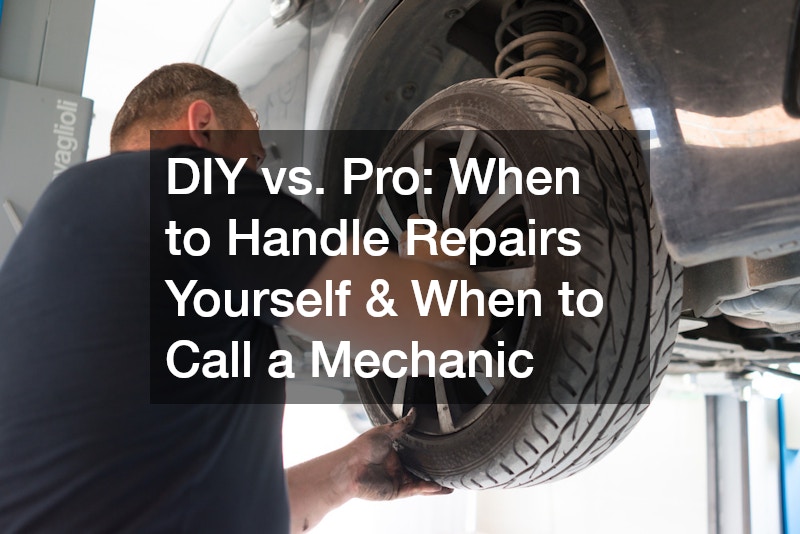
Motorists can easily perform simple visual checks and fluid top-ups at home, but complex mechanical, electronic and safety repairs must always be left to certified technicians. Safely managing your vehicle requires clear boundaries between DIY tasks and workshop repairs:
-
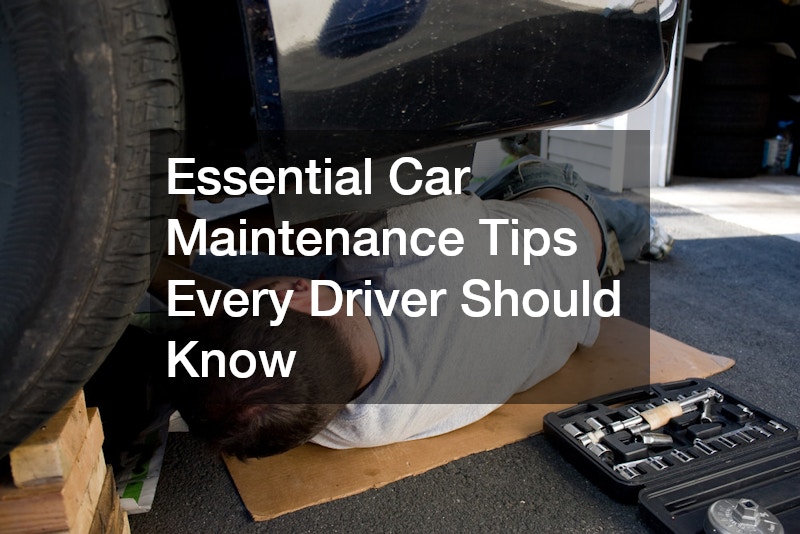
DIY Fluid Maintenance: Regularly checking and topping up windshield washer fluid, engine oil level, coolant reserves and power steering fluid using owner manual guidelines.
-
Tyre Care and Pressure Checks: Inspecting tread depth monthly and keeping tyres inflated to manufacturer specifications to optimise fuel economy and prevent premature wear.
-
Component Visual Inspections: Examining wiper blades, exterior lighting and cabin air filters for wear or debris accumulation before scheduling professional replacements.
-
Complex Braking and Suspension Work: Leaving pad replacements, rotor resurfacing, brake fluid flushes and suspension alignments entirely to trained professionals equipped with specialised hydraulic machinery.
How Does Regular Preventive Care Save You Money in the Long Run?
Regular preventive care saves money by catching minor mechanical wear early before it cascades into major component failures or dangerous road hazards. Simple habits like maintaining correct tyre pressure dramatically reduce rolling resistance, which improves fuel economy while extending tyre lifespan. Industry advice from the RACV emphasises that ignoring subtle warning indicators, such as a check engine light or squealing brakes, usually transforms inexpensive sensor replacements into multi-thousand-dollar engine or transmission overhauls. Furthermore, scheduling timely fluid flushes prevents internal corrosion across expensive radiator and steering systems. Establishing a consistent working relationship with a trusted local mechanic allows you to anticipate upcoming maintenance costs, budget accordingly and address minor wear during scheduled visits rather than funding sudden, costly roadside emergency repairs.
What Are the Most Effective Strategies for Finding an Honest Workshop?
Finding an honest workshop involves verifying industry accreditations, requesting itemised written quotes prior to authorising repairs and comparing local labour rates. Smart vehicle owners use specific benchmarks when choosing a reliable automotive specialist:
-
Verify Professional Accreditations: Check that the workshop holds active licenses and recognised industry body certifications, such as state automotive trade association memberships.
-
Demand Itemised Written Quotes: Request comprehensive price breakdowns for parts and labour before handing over keys, ensuring no additional work occurs without explicit approval.
-
Compare Local Workshop Rates: Evaluate hourly rates and parts pricing between dealerships and your reputable local mechanic to secure competitive standard servicing fees.
-
Review Consumer Feedback: Examine verified customer reviews and ask neighbours for direct recommendations to gauge the workshop’s transparency and work quality.
Why Is DIY Repair Often More Expensive Than Professional Servicing?
DIY car repairs frequently become more expensive than professional servicing when amateur mistakes lead to damaged parts, voided warranties or compromised road safety. Modern vehicles feature intricate electronic control units, complex sensors and tight tolerances that demand specialised diagnostic scanners and trade training. Financial surveys highlighted by Finder Research warn that while millions of drivers attempt DIY maintenance to curb living costs, incorrect installations frequently result in major engine damage or unsafe braking performance. A misthreaded spark plug, incorrect fluid specification or improperly torqued wheel nut can instantly turn a simple fifty-dollar maintenance task into a multi-thousand-dollar repair bill. Engaging qualified mechanics ensures repairs are performed right the first time under professional workmanship guarantees.
What Is the Ultimate Strategy for Balancing Automotive Savings & Road Safety?
The ultimate strategy for balancing automotive savings and road safety is combining proactive owner checks with transparent, professional workshop servicing. Saving money on car care never requires compromising the structural integrity or safety systems of your vehicle. By exercising your statutory rights under Australian Consumer Law, performing basic fluid and tyre checks at home and addressing minor mechanical issues early, you drastically lower lifetime ownership costs. Partnering with certified independent technicians protects both your household budget and your vehicle’s resale value over time. Smart drivers recognise that routine care is an investment in reliability, ensuring every journey remains safe, efficient and cost-effective for years to come.