Handling a car accident can be one of the most stressful experiences a driver ever faces. In the sudden aftermath of a collision, adrenaline surges, thoughts race, and it becomes difficult to determine what steps to take next. Whether it is a minor fender bender in a parking lot or a serious highway collision, knowing how to respond appropriately protects your health, legal rights, and financial stability. This guide breaks down every stage of managing an auto accident, from immediate roadside safety measures to handling vehicle restoration and legal considerations.
Immediate Actions at the Scene

The moments immediately following an accident are critical. Taking calm, deliberate actions ensures the safety of everyone involved and helps lay the foundation for any subsequent insurance claims or legal actions.
Prioritizing Personal Safety and Moving to a Safe Location
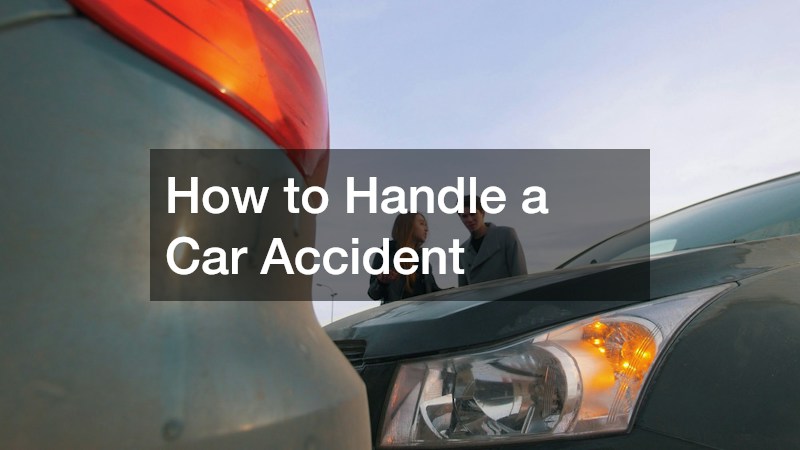
Your immediate priority after an impact is to assess yourself and your passengers for injuries. If anyone requires urgent medical attention, call emergency services immediately and do not attempt to move severely injured individuals unless there is an imminent threat of fire or explosion. If the vehicle is still operable and remaining in traffic poses a hazard, carefully steer it to the shoulder or a nearby parking lot. Turn on your hazard lights right away to alert oncoming drivers. If the car cannot be moved, switch on your hazard lights, stay inside with your seatbelt fastened if traffic is hazardous, or move safely to a sidewalk or barrier away from oncoming traffic.
Contacting Law Enforcement and Requesting Emergency Services
Always call the police after a vehicle accident, regardless of whether it appears minor or severe. A neutral third-party police report provides an official record of the incident, which insurance providers rely on heavily when determining fault. When speaking with the dispatcher, state your exact location, describe the condition of all involved parties, and request medical aid if needed. When officers arrive on the scene, provide them with an accurate, factual summary of what occurred. Avoid speculating, making emotional statements, or admitting fault, as the full circumstances of the crash may not be clear until a thorough investigation takes place.
Documenting the Accident Scene Thoroughly
Physical evidence at the scene disappears quickly once vehicles are moved and traffic resumes. Use your smartphone to capture detailed photographs and videos from multiple angles. Photograph the damage on all involved vehicles, skid marks on the road, traffic signals, road hazards, weather conditions, and visible injuries. Take close-up shots of specific damage as well as wide shots that depict the overall layout of the scene. Furthermore, note down key specifics such as the time of day, exact street names, direction of travel, and any statements made by the other driver.
Exchanging Essential Information with Other Drivers
Exchanging information with all drivers involved in the incident is legally required in most jurisdictions. Approach the interaction calmly and professionally, keeping conversation strictly limited to necessary data exchange. Collect full names, contact details, driver license numbers, vehicle registration details, and insurance policy numbers. If there are passengers or independent witnesses present, ask for their contact details as well, as their testimony can prove invaluable later. Never argue about who caused the crash or engage in heated confrontations at the roadside.
Seeking Medical Attention and Healthcare Steps
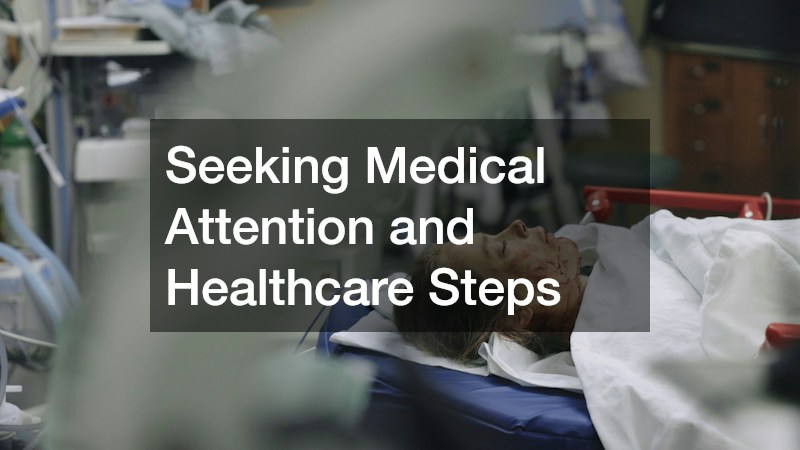
Even if you feel completely fine after a collision, seeking medical evaluation should never be postponed. The adrenaline rush triggered by a traumatic event can easily mask severe physical pain and underlying injuries.
Recognizing Delayed Symptoms and Hidden Injuries
Certain physical conditions do not manifest immediately after an impact. Whiplash, soft tissue damage, internal bleeding, and concussions can take hours or even days to present clear symptoms. A comprehensive examination by a medical professional ensures that hidden conditions are identified and treated early. Failing to seek immediate medical attention can also compromise your insurance claims, as insurance adjusters often argue that delayed treatment indicates the injuries were unrelated to the accident or were not serious.
Keeping Detailed Medical Records and Invoices
From your very first physician visit, maintain an organized file of all medical documentation related to the accident. Keep copies of discharge papers, doctor notes, prescription orders, physical therapy plans, and diagnostic imaging reports. Additionally, track every out-of-pocket expense, including prescription costs, medical equipment, and travel expenditures for medical appointments. Detailed records serve as concrete evidence when seeking compensation for medical bills and ongoing rehabilitation costs.
Navigating the Insurance Claim Process
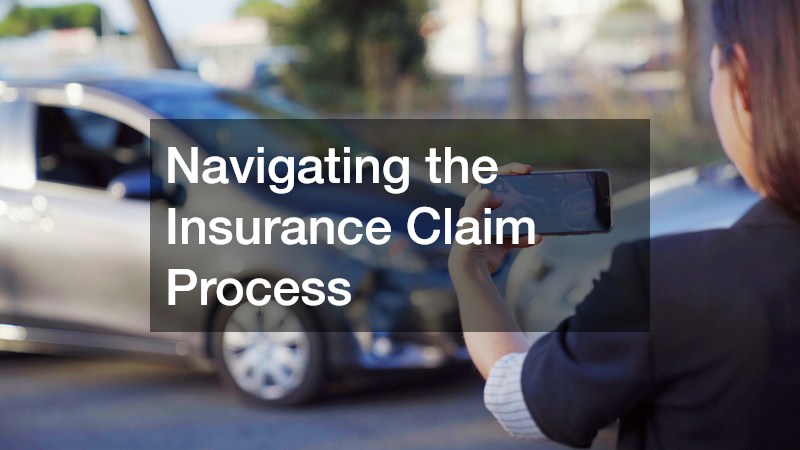
Navigating insurance procedures requires attention to detail, clear communication, and an understanding of policy terms. Prompt reporting prevents avoidable delays in receiving coverage for vehicle repairs and medical care.
Reporting the Incident to Your Insurance Provider
Notify your auto insurance provider as soon as possible after the event. Most insurance policies stipulate prompt reporting guidelines to maintain coverage eligibility. Provide the representative with the factual details of the crash, the police report reference number, and the contact information of all involved parties. Stick strictly to facts and refrain from guessing answers if you are unsure about specific details. Ask your agent about your policy coverage limits, deductible requirements, and rental car allowances while your vehicle undergoes inspection.
Interacting with Insurance Adjusters Effectively
An insurance adjuster will be assigned to evaluate the physical damage and investigate the circumstances surrounding the crash. When speaking with adjusters, especially those representing the other driver, maintain a cautious tone. You are not required to give recorded statements immediately, particularly if you are still receiving medical treatment or feeling disoriented. Stick strictly to verified facts and avoid offering opinions about fault or physical health status until you have consulted with healthcare providers or legal advisors.
Restoring and Repairing Your Vehicle
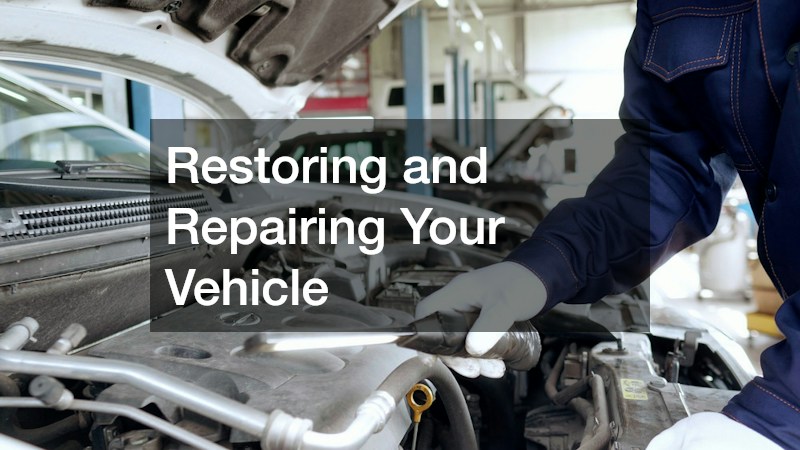
Once immediate safety and reporting obligations are addressed, focus shifts toward returning your vehicle to a safe, operable condition. Understanding the restoration options available ensures your vehicle retains its structural integrity and resale value.
Selecting Qualified Repair Facilities
Choosing a trustworthy shop is crucial for ensuring high-standard workmanship and road safety. You have the right to select where your vehicle gets repaired rather than relying solely on insurer recommendations. Look for certified facilities whose technicians possess recognized industry certifications. Reputable shops utilize specialized diagnostic tools to evaluate hidden structural or mechanical issues. Engaging auto body repair professionals ensures that your vehicle is evaluated comprehensively, restoring both cosmetic elements and critical safety frameworks to factory specifications.
Restoring Vehicle Aesthetics and Structural Integrity
Modern vehicles feature complex frame structures designed to absorb collision impact. Proper structural realignment requires specialized frame machines and precise measuring technology. Quality collision repair restores the outer shell and internal frame components to ensure the car can protect occupants in future impacts. Beyond structural work, restoring the exterior appearance involves precise color matching and specialized paint techniques to eliminate all signs of prior damage.
Replacing Damaged Structural Glass
Impact forces frequently cause cracks, chips, or total breakage across vehicle windows and windshields. Damaged glass compromises overall structural rigidity, as windshields support the vehicle roof during rollover events and assist in proper airbag deployment. Professional restoration of auto glass requires specialized adhesives and expert installation techniques to restore safe driving visibility and cabin integrity. Small chips should be addressed promptly before temperature fluctuations cause them to expand into large cracks.
Addressing Mechanical and Systems Maintenance
Severe impacts can damage engine components, steering systems, alignment, and fluid lines. Comprehensive repair involves inspecting all mechanical assemblies alongside exterior work. For specialized engine setups or heavy-duty commercial equipment, mechanical work requires specialized expertise. Heavy vehicles equipped with specialized powertrains often require targeted service solutions like diesel transmission repair to ensure power delivery systems operate smoothly and reliably after an impact.
Dealing with Minor Surface Damage Modernly
Not all vehicular damage requires major panel replacement or traditional body filling. Minor dings, shallow creases, and door dings where the original paint remains intact can often be repaired using non-invasive techniques. Utilizing paintless dent removal allows technicians to carefully massaged bent metal back to its original form from behind the panel. This approach preserves the factory paint finish, reduces turnaround time, and lowers total restoration costs.
Routine Upkeep and Post-Accident Vehicle Care
Once primary repairs are finalized, ongoing vehicle upkeep ensures long-term reliability and safety on the road. Regular inspections help identify any subtle issues that may emerge weeks after initial repairs. For owners of heavy-duty vehicles, staying consistent with diesel truck maintenance ensures that heavy engine components and exhaust systems continue to perform at optimal levels, minimizing the risk of post-accident mechanical failures.
Finding Alternative Solutions for Totaled Vehicles
In cases where the cost of necessary repairs exceeds the actual cash value of the vehicle, insurance companies will declare the car a total loss. When repairing a severely damaged car is financially unfeasible, vehicle owners must consider alternative disposal options. Choosing junk car recycling provides an environmentally responsible way to clear away damaged vehicles while recovering some monetary value through scrap metal and salvageable components.
Assessing Comprehensive Automotive Service Offerings
When selecting a shop to manage your vehicle’s recovery, choose facilities capable of delivering broad mechanical and cosmetic solutions under one roof. Working with a facility that offers complete auto repair services simplifies the recovery process, as mechanical adjustments, wheel alignments, and cosmetic finishes can be completed simultaneously by a unified team of technicians.
Protecting Your Legal Rights and Interests
Car accidents often lead to complex legal disputes regarding financial liability, property damage, and personal injury compensation. Understanding your legal options ensures you are not left bearing the financial burden of someone else’s negligence.
Knowing When to Seek Legal Representation
Handling insurance claims independently can be challenging, particularly when dealing with serious bodily injury, disputed fault, or uncooperative insurance companies. Engaging a qualified personal injury attorney ensures that your rights are safeguarded throughout the settlement process. Legal professionals possess the expertise needed to negotiate with insurance adjusters, calculate full claim values, gather expert witness testimony, and file lawsuits if a fair settlement offer is not presented.
Choosing the Right Legal Advocate for Your Case
Selecting local personal injury attorneys who are familiar with regional traffic laws, court systems, and local insurance practices provides a distinct strategic advantage. Local legal advocates can meet with you in person, investigate the accident scene promptly, and provide personalized updates regarding your case status. When evaluating potential legal representation, look for professionals with a proven track record of handling auto accident cases similar to yours.
Understanding Financial Recovery and Settlements
Securing full financial compensation after an auto accident involves calculating both immediate expenses and long-term costs associated with recovery.
Calculating Compensation for Economic Losses
Economic damages represent concrete monetary losses incurred directly from the accident. These tangible costs are calculated by gathering receipts, bills, and employment records.
- Current and Future Medical Bills: Includes emergency room visits, hospital stays, surgical procedures, doctor appointments, medications, and physical therapy sessions.
- Property Damage Costs: Covers vehicle repair estimates, replacement of destroyed personal items inside the vehicle, and rental car fees during the repair window.
- Lost Wages and Earned Income: Reimburses income lost while recovering from injuries and missing work.
- Reduced Earning Capacity: Provides financial recovery if injuries result in long-term disability that prevents you from returning to your former line of work.
Accounting for Non-Economic and Long-Term Damages
Non-economic damages address intangible losses that significantly impact your overall quality of life following a traumatic collision.
- Pain and Suffering: Compensation for physical discomfort, chronic pain, and bodily limitations resulting from injuries sustained in the crash.
- Emotional Distress: Addresses psychological impacts such as anxiety, depression, post-traumatic stress, and sleep disturbances caused by the traumatic event.
- Loss of Enjoyment of Life: Compensates for the inability to participate in hobbies, recreational activities, or daily personal pursuits enjoyed prior to the incident.
- Loss of Consortium: Claims filed on behalf of family members for the loss of companionship, affection, or support due to severe or permanent injury.
Practical Tips to Prevent Future Incidents
While not all accidents are avoidable, adopting proactive driving habits significantly decreases your risk of being involved in a dangerous collision.
Adopting Defensive Driving Habits
Defensive driving requires staying fully focused on the road, anticipating potential hazards, and maintaining a safe distance from other vehicles. Avoid distractions such as mobile phones, eating, or adjusting navigation systems while operating a vehicle. Keep a minimum three-second stopping distance behind the vehicle in front of you, expanding that gap during adverse weather conditions like rain, fog, or snow. Always scan ahead for sudden traffic slowdowns, pedestrians, or erratic driving behaviors in adjacent lanes.
Maintaining Vehicle Safety Systems Regularly
A properly maintained vehicle is far more responsive in emergency situations. Ensure your vehicle receives routine checks of essential safety systems. Regularly inspect tire pressure, tread depth, brake pads, steering mechanisms, and exterior lighting. Replacing worn brake components and keeping windshield wipers in good working order dramatically improves stopping capabilities and driver visibility during unexpected hazards.
Navigating the aftermath of a car accident requires a structured and deliberate approach. From prioritizing immediate health and safety at the roadside to gathering documentation, filing insurance claims, overseeing vehicle repairs, and seeking legal advice when necessary, each step plays a crucial role in your overall recovery. By understanding these essential procedures, staying organized, and working with experienced professionals, you can protect your well-being, restore your vehicle, and achieve a fair resolution following an unexpected collision.