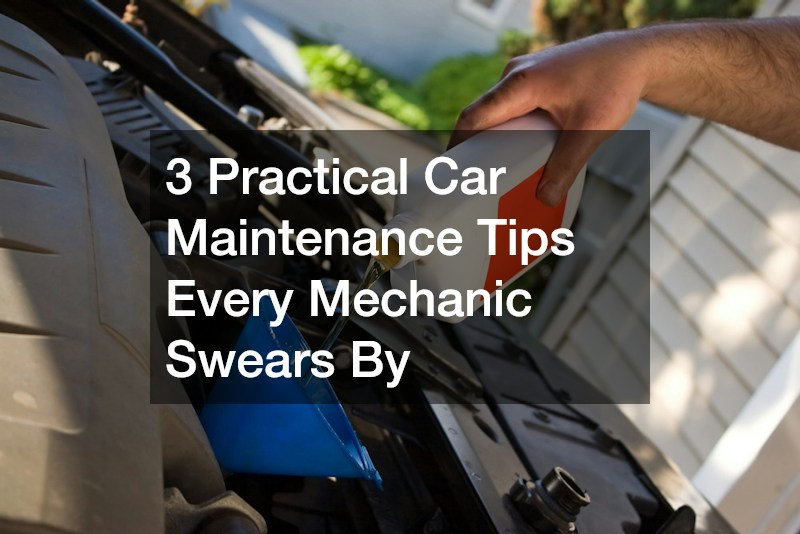
Keeping a vehicle in good condition involves more than addressing problems when they arise. Regular maintenance helps drivers protect their investments, maintain reliable performance, and reduce the likelihood of unexpected breakdowns. While modern vehicles have advanced systems that require specialized attention, several basic maintenance habits can make a significant difference in their long-term condition. Following recommendations from an experienced mechanic can also help drivers recognize potential problems before they become expensive repairs.
1. Check Fluid Levels and Follow Recommended Replacement Schedules
Vehicle fluids play essential roles in keeping mechanical systems operating properly. Engine oil lubricates moving components, coolant regulates engine temperature, brake fluid supports consistent braking performance, and transmission fluid helps transfer power through the drivetrain.
When these fluids become contaminated, deteriorate, or fall below recommended levels, they can contribute to excessive wear and performance problems. Checking fluid levels periodically is one of the simplest ways to monitor a vehicle’s overall condition.
Oil changes deserve particular attention because engine oil gradually loses its effectiveness as it circulates through the engine. Heat, friction, and contaminants can reduce its ability to protect internal components. Following the manufacturer’s recommended oil change intervals helps maintain proper lubrication and minimize unnecessary engine wear. Drivers should also use the oil type and viscosity specified in their owner’s manuals, since different engines have different lubrication requirements.
2. Monitor Tire Pressure, Tread Depth, and Overall Condition
Tires have a direct impact on vehicle safety, handling, fuel efficiency, and braking performance. However, they are often overlooked until a warning light appears or visible damage becomes noticeable. Checking tire pressure regularly helps ensure that each tire maintains the inflation level recommended by the manufacturer. Underinflated tires can create excessive rolling resistance, increase heat buildup, and wear unevenly. Overinflated tires may reduce traction and cause uneven wear along the center of the tread.
Drivers should check tire pressure at least once a month and before longer road trips. Measurements are most accurate when tires are cold, meaning the vehicle has been parked for several hours or driven only a short distance. The recommended pressure can usually be found on a label inside the driver’s door or in the owner’s manual. It is important to follow this specification rather than the maximum pressure printed on the tire’s sidewall. Temperature changes can also affect inflation, making seasonal checks particularly useful.
Any experienced mechanic will say that tread depth and visible tire damage are equally important considerations. Worn tread reduces traction, especially when driving on wet roads, and can increase the risk of hydroplaning. Drivers should periodically examine tires for cracks, bulges, embedded objects, and uneven wear patterns. Uneven tread wear may indicate alignment problems, improper inflation, or worn suspension components. Rotating tires according to the manufacturer’s recommended schedule can help distribute wear more evenly and extend their useful lifespan. If unusual vibration, persistent pressure loss, or visible damage occurs, professional inspection is a sensible next step.
3. Address Warning Signs and Schedule Routine Inspections

One of the most valuable maintenance habits is paying attention to changes in how a vehicle operates. Unusual noises, unfamiliar vibrations, fluid leaks, warning lights, and changes in handling can all indicate developing problems. Although some symptoms may seem minor initially, ignoring them can allow underlying issues to worsen. Recognizing these changes early gives drivers an opportunity to investigate concerns before they affect additional components.
Dashboard warning lights should never be dismissed without understanding what they indicate. For example, an illuminated check engine light may point to anything from a loose fuel cap to a problem involving the emissions or engine management systems. Meanwhile, an oil pressure warning or an overheating indicator can signal conditions that require immediate attention. Drivers should consult their owner’s manuals to understand specific warning indicators and follow the recommended response. Continuing to operate a vehicle with certain warnings illuminated can result in serious mechanical damage.
Consistent maintenance is one of the most effective ways to support vehicle reliability and reduce avoidable repair expenses. Checking fluids, monitoring tire condition, and responding promptly to warning signs help drivers stay ahead of common automotive problems. These practices also make it easier to recognize when a vehicle needs additional attention. By combining regular at-home checks with scheduled inspections from a mechanic, drivers can protect important vehicle systems, maintain dependable performance, and get more value from their vehicles over time.